Pulp non-fiction

Jack Brindley, Ellipsis (Paper) I, 2013

Jack Brindley, Ellipsis (Paper) I, 2013

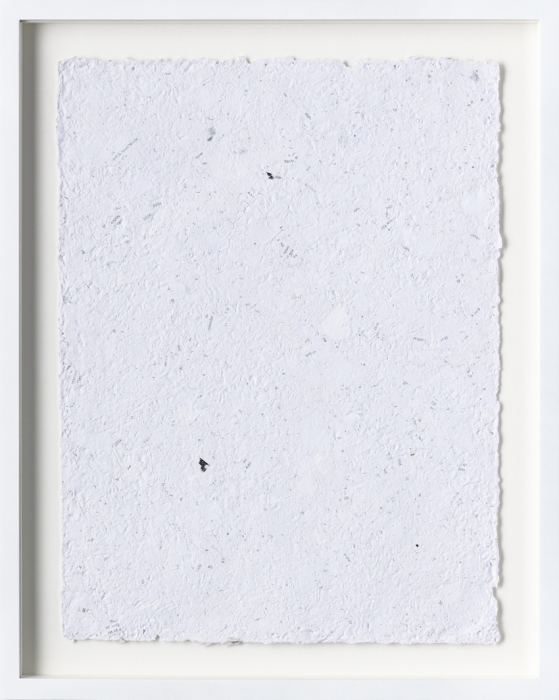
Regular readers will know that when it comes to art, I do like white things. Maybe it’s the visual simplicity. Maybe it’s that I’ve made quite a lot of white things myself. Maybe it’s the enjoyment of trying to figure out what’s going on in the work when there’s so little to actually look at in terms of colour and form. Who knows? Whatever the reason, I often do find myself prepared to put in the time to look again if at first the work seems empty.

It’s unsurprising then that when I visited Jack Brindley’s show Sweat at Pippy Houldsworth Gallery it wasn’t the more colourful works that really held my attention, it was the sheets of (sort of) plain white paper.
Continue reading

Sound and vision

Susan Hiller Sounding 2013-14

Susan Hiller, Sounding, 2013

Susan Hiller’s Witness, which I first saw in a disused chapel in north Paddington in 2000 – and which I wrote about for MostlyFilm a couple of years ago – is one of my favourite artworks, I think (yeah, yeah, it’s a long and ever changing list, but Witness is always there). There’s something about the weirdness of the narratives – recordings of tales of encounters with the unexplained, stories about strange lights in the sky told in many different languages – the beauty of the installation and the oddness of trying to carry on listening even when the story is told in a language you don’t understand, that I find compelling.

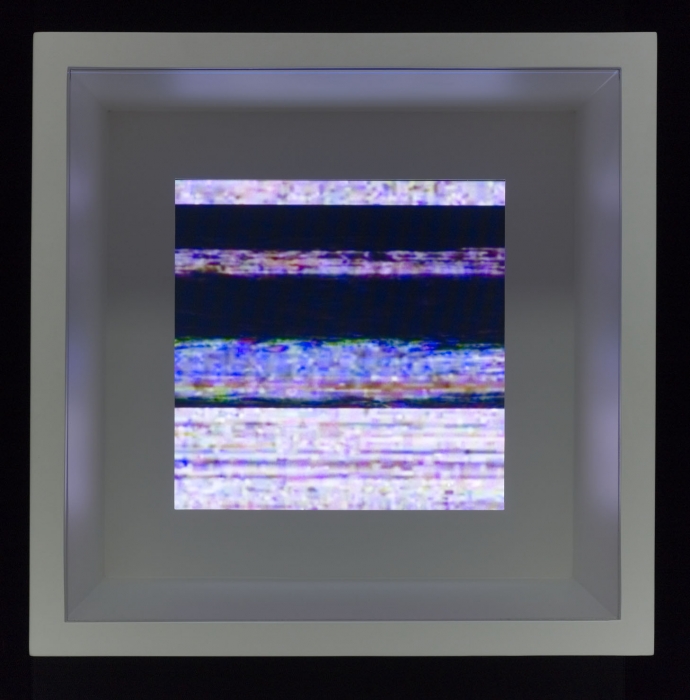
Coming across some of those same voices in a different form – as part of the soundtrack to a work called Sounding – in the Box at Pippy Houldsworth was an unexpected pleasure (I’d known about the main exhibition in the space; the Hiller was a bonus). The Box is a small booth space, here containing a small screen housed in a box frame; three sets of headphones hang just outside the booth (though the work is best experienced solo) and it’s these that add sound to the video abstraction on the screen.

Continue reading

Floating islands

Yutaka Sone Venezia 2013

Yutaka Sone, Venezia, 2013

Though I’d seen Yutaka Sone’s work before and found it fascinating, the work in his show at David Zwirner interested me more not just for the extraordinary accuracy of the marble cityscapes but for the places they represent. I think the only carved marble work by Sone I’d seen in real life before is Highway Junction 105-110 which depict freeway intersections in Los Angeles, a city I’ve never visited and only really know from films. The works felt a bit like architectural models, albeit it unexpectedly made of white marble. Here the cities are Venice, New York and Hong Kong. Admittedly I’ve only been to Hong Kong once, very briefly and a long time ago but the other two are cities I know well.

Sone has mapped the territory in incredible detail using methods as diverse as aerial surveillance and Google earth to gain as exact an understanding of the cityscape as possible before it is carved by hand into the marble.

Continue reading

Never boring: A brief history of John Baldessari

A Brief History of John Baldessari - screen shot - title screen

A Brief History of John Baldessari, 2012 – title screen

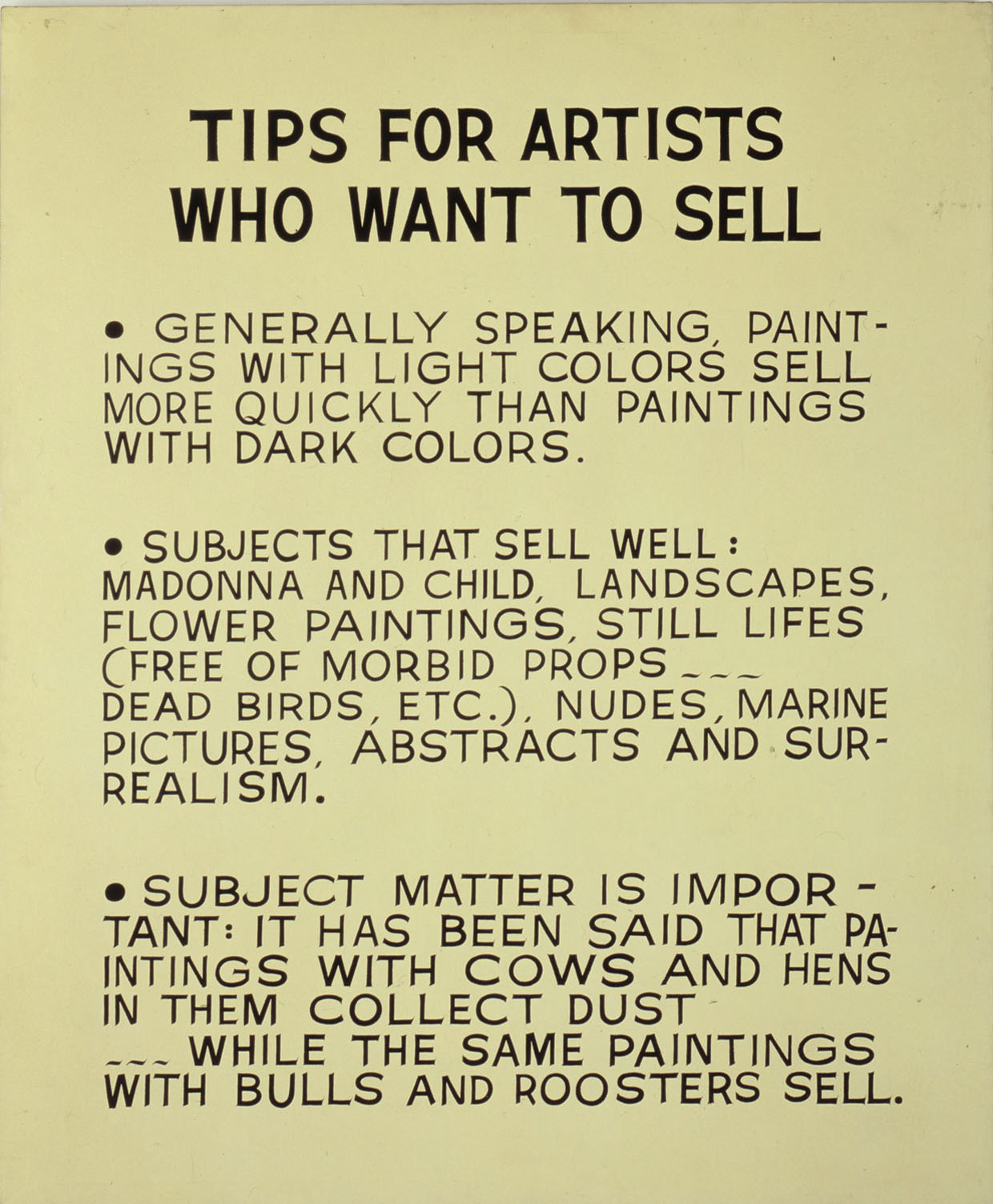
In a way it’s just a short leap from Tips for Artists Who Want to Sell to the three things John Baldessari believes every young artist should know, though rather than painting these he chose to impart them to Henry Joost and Ariel Schulman, the directors of the short – very short, we’re talking six minutes here – documentary A short History of John Baldessari. It turns out it’s possible to find out quite a lot about Baldessari in six minutes, though I suspect knowing a certain amount about the man and his work before hand does help.

Continue reading

On being an artist

John Baldessari - Tips for Artists

John Baldessari, Tips for Artists Who Want to Sell, 1966-1968

I’ve written about John Baldessari’s text paintings before but this seems like a good time to go back to one in particular: while I’m thinking about words of advice, Baldessari’s Tips for Artists Who Want to Sell seems like a good work to write about. There’s something pleasing – to me at least – about the idea of using the conventions of painting to produce something so unapologetically unpainterly. Lets face it, if Baldessari’s tips are even a little bit useful, by ignoring his own advice so comprehensively surely he’s ensuring his own work is unsaleable?

Except of course, he’s John Baldessari and as such he’s very far from whatever part of the art market it is that prefers paintings to be of landscapes, flowers or the madonna and child.

Continue reading

Words of advice

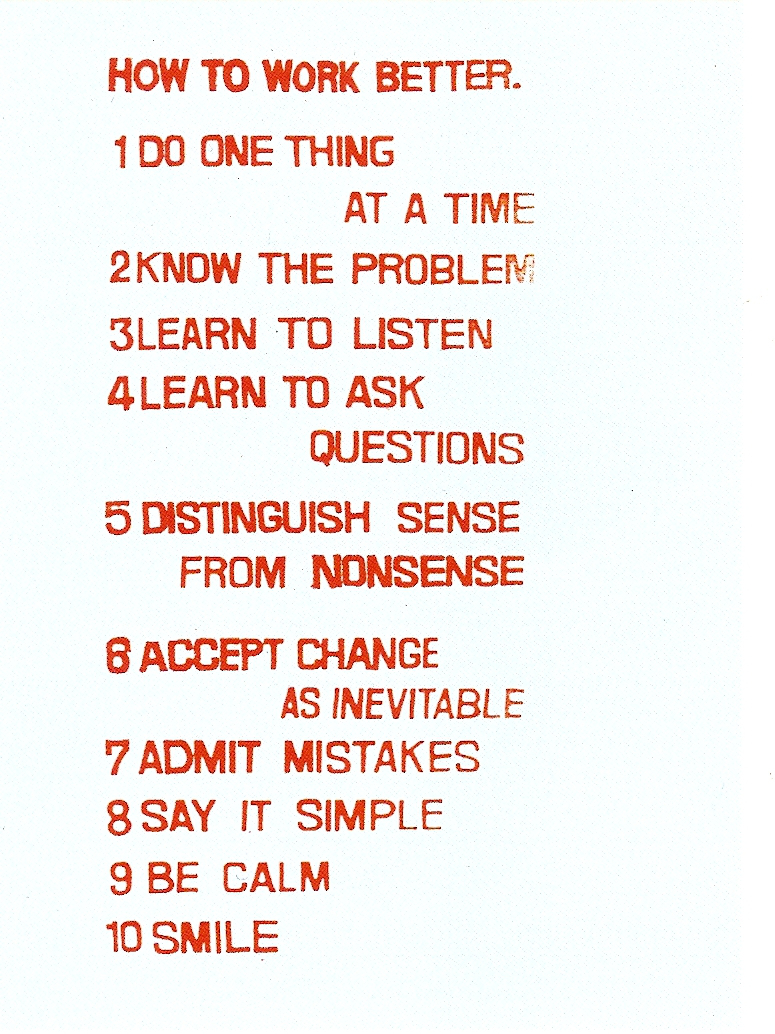
Fischli Weiss, How to Work Better, 1991

Peter Fischli and David Weiss, How to Work Better, 1991

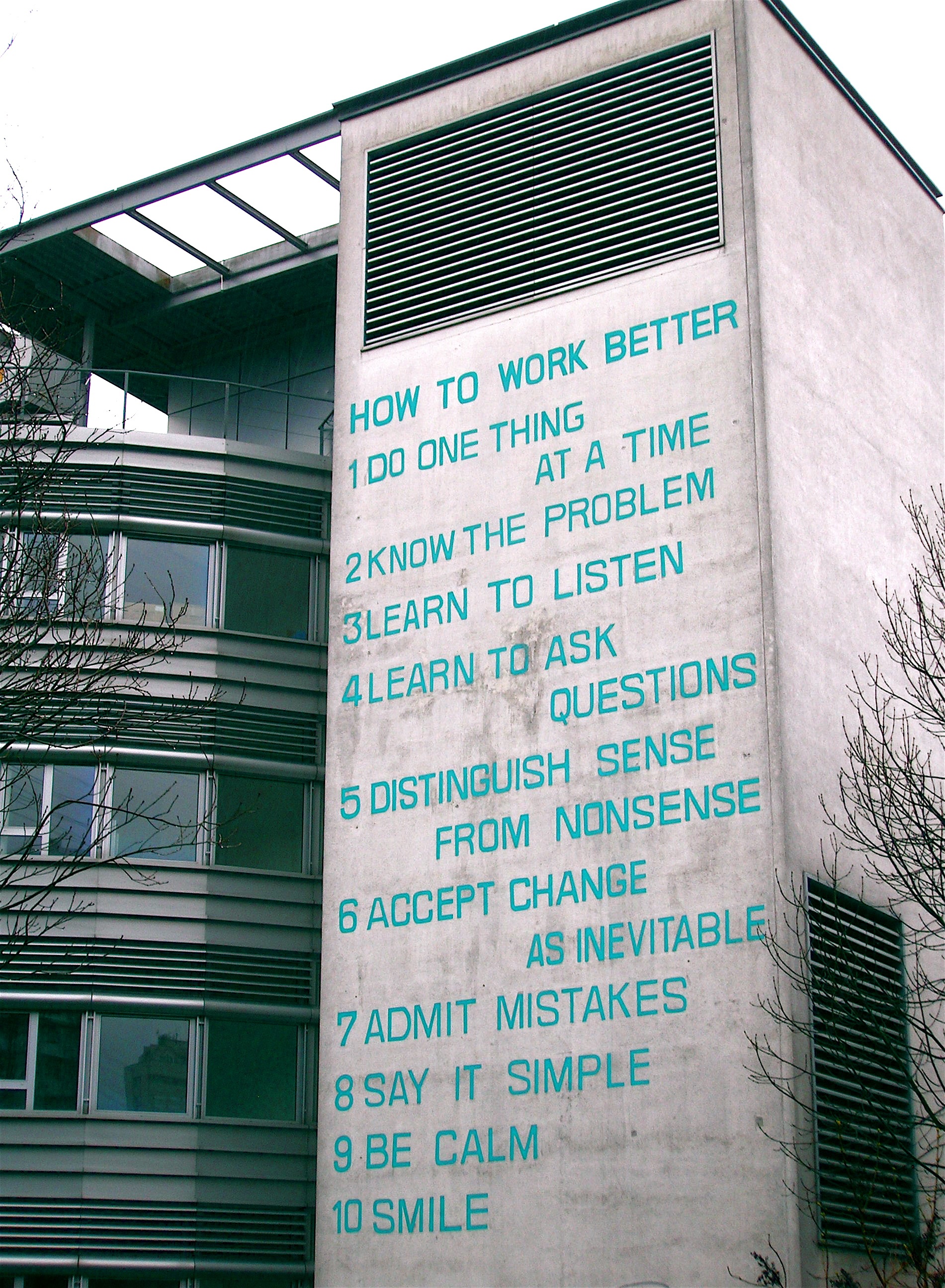
There’s no one way to get through the day, of course, and there’s no one way to be an artist. But there is advice that works in many situations – often based on good old common sense – and the ten point list that is Peter Fischli and David Weiss’s How to Work Better is just that. It’s simple, it’s straight-forward and it’s something most of us would do well to follow.

Continue reading

Picnic at hanging rock

 Fischei Weiss, Rock on Top of Another Rock, London 2013

 Fischei Weiss, Rock on Top of Another Rock, Serpentine Gallery, London 2013

I’ve written about Rock on Top of Another Rock before but at the time I entirely failed to get round to the follow-up post about its London incarnation so I’m quite pleased to find myself back with it now by a somewhat circuitous route. A recent visit – on a rainy winter afternoon – reminded me quite how much I like the way this work pairs a simple idea with a complex and audacious challenge in terms of sourcing the materials and installing the work. The Ronseal nature of the title imparts a sense of playfulness to what is also in some ways quite a scary piece of sculpture. It’s all a matter of balance.

Continue reading

Suddenly last summer

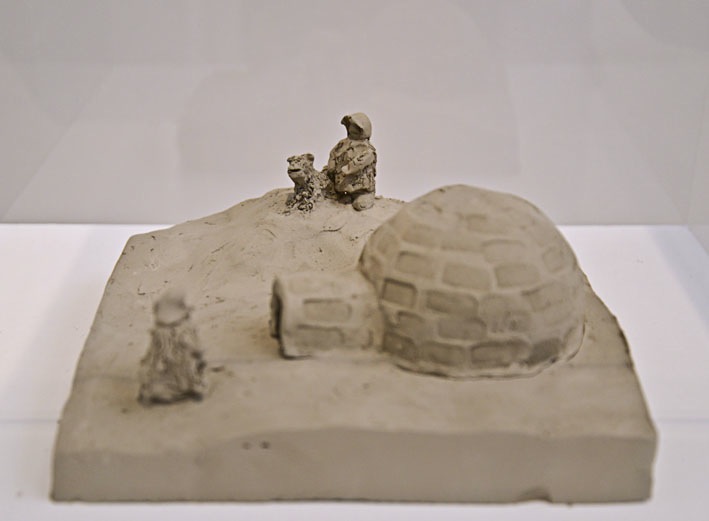
Fischli Weiss, Roal Admundsen Asks for Directions to The North Pole from Suddenly This Overview, 1981-2006

Fischli Weiss, Roal Admundsen Asks for Directions to The North Pole from Suddenly This Overview, 1981-2006

Sooner or later I’ll change direction, I’m sure, but while I’m on a run of dog-related posts and while I’m drawing on the work I saw in Venice last summer (and autumn, though I managed less actual art that trip) it would seem a shame not to sneak in a post about Suddenly This Overview, Fischli Weiss’s collection of unfired clay sculptures, a body of work that always makes me laugh. I confess I was sure there must be a dog in there somewhere, and of course there is though the Husky in Roal Admundsen Asks for Directions to The North Pole is actually the only one I can come up with.

Continue reading

Shadow play and spray paint

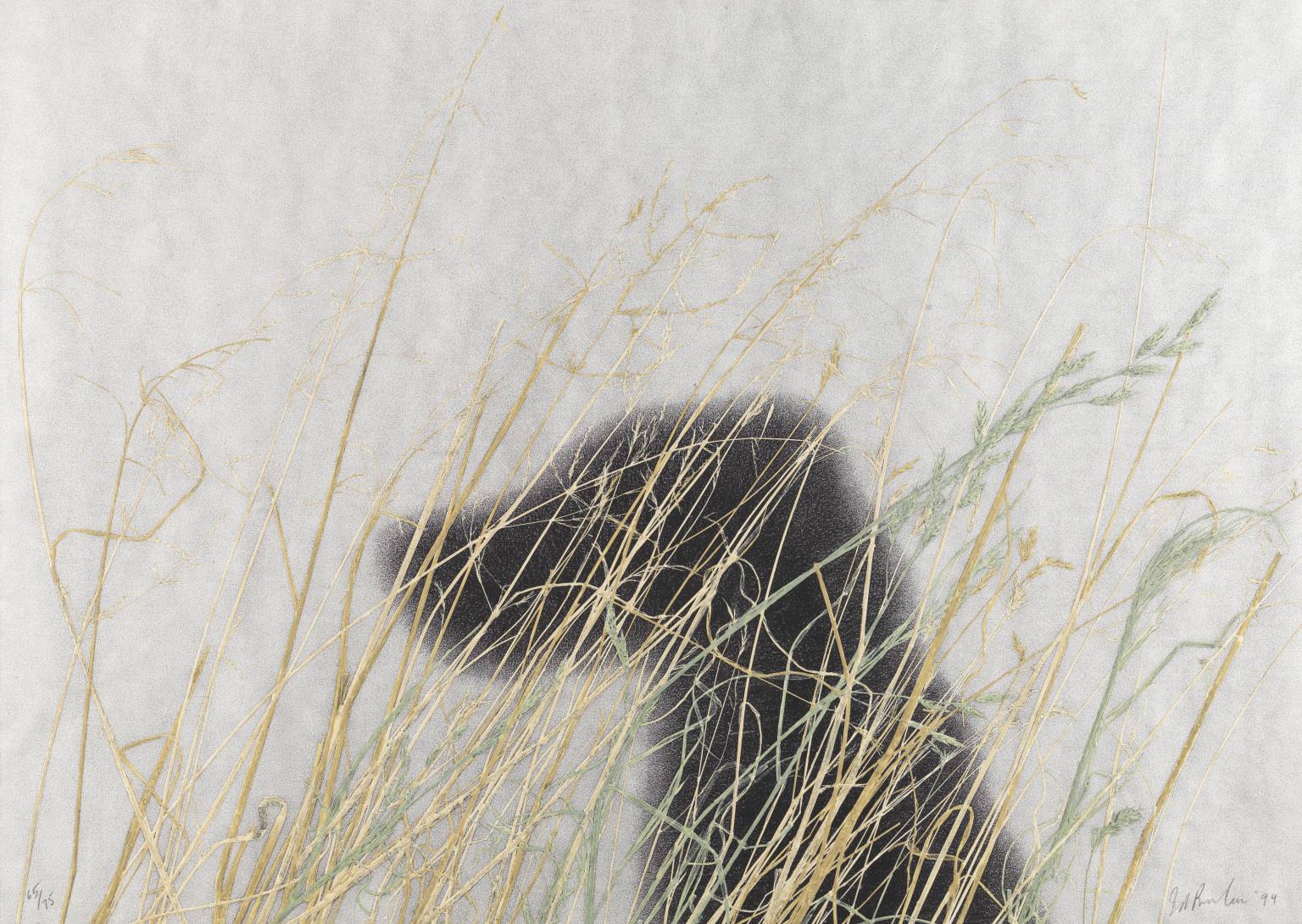
Dog 1995, printed and signed 1994 by Edward Ruscha born 1937

Edward Ruscha, Dog, 1996

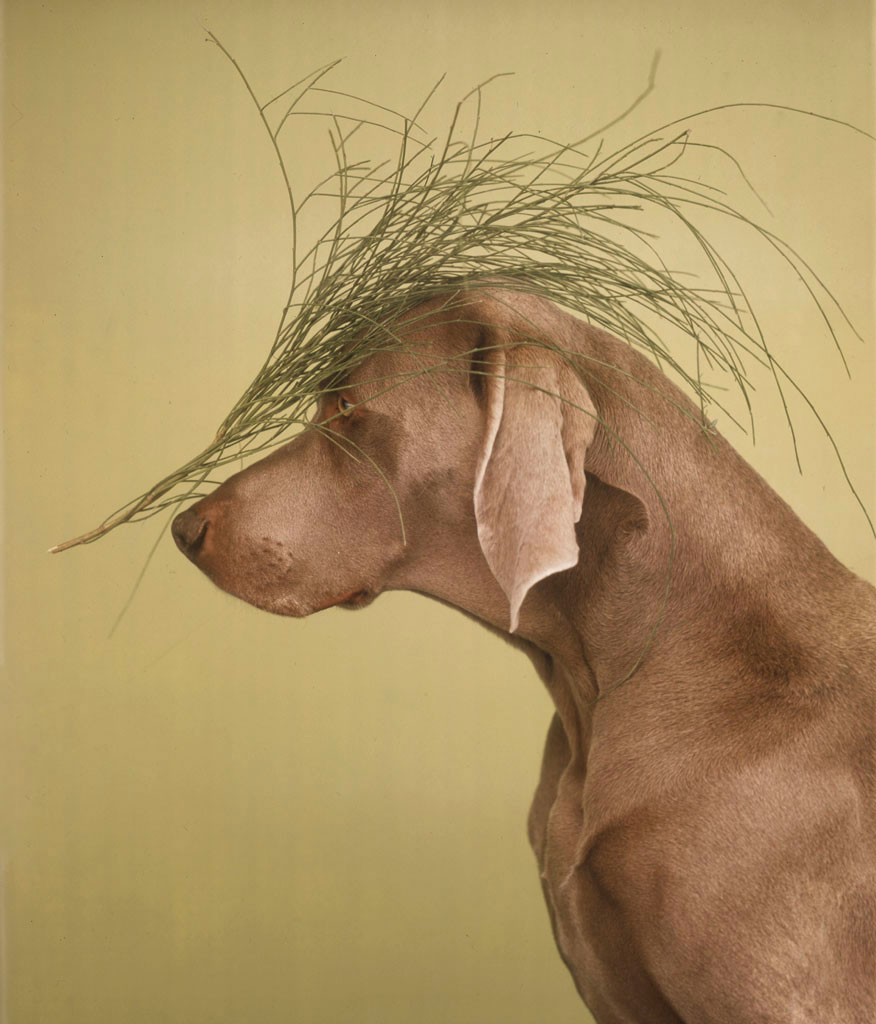
A simple visual link brings me somewhat unexpectedly from William Wegman to Edward Ruscha, not artists I’ve ever really thought of as in any way connected before. Admittedly, it’s a fairly tenuous connection but it was Wegman’s Spring that brought Ruscha’s Dog back to mind. There are the obvious similarities of dogness and wispy straw like stuff and the colour palette is fairly similar. And of course, as even vaguely regular readers of this blog will be aware, I’m not one to shy away from a link purely on account of its tenuousness. Plus, importantly, I really like Ed Ruscha’s work. Not that pieces like Dog are generally the works that come to mind when I think of Ruscha (which conveniently means he’s likely to crop up in another post sometime soon).

Continue reading

Posing pooches

Wegman Dog Walker 1990

William Wegman, Dog Walker, 1990

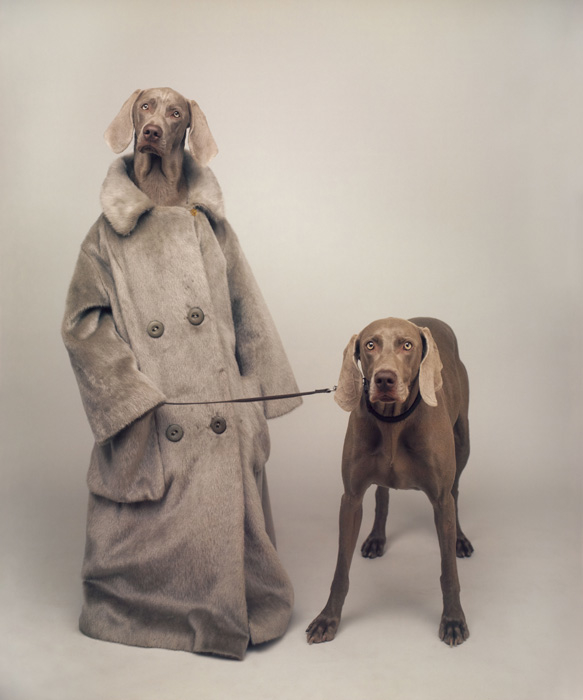
As explorations of the similarity between dog and owner go, Arnatt’s Walking the Dogs is all well and good but the definitive answer is offered, not even a little bit seriously, by some of William Wegman’s pictures. Of all Wegman’s dog pictures – and there are many and they involve some serious posing by the dogs who are both photogenic and apparently very amenable to a bit of dressing up and acting – I think it’s the dog walker ones that make me laugh the most; this is a simple idea, faultlessly realised.

Wegman Dog Walker 1990

The beauty of Wegman’s work is that it feels like a collaborative practice with his dogs – first Man Ray, then Fay Ray and her off-spring – as partners in picture-making.

Continue reading