Shaggy dog stories

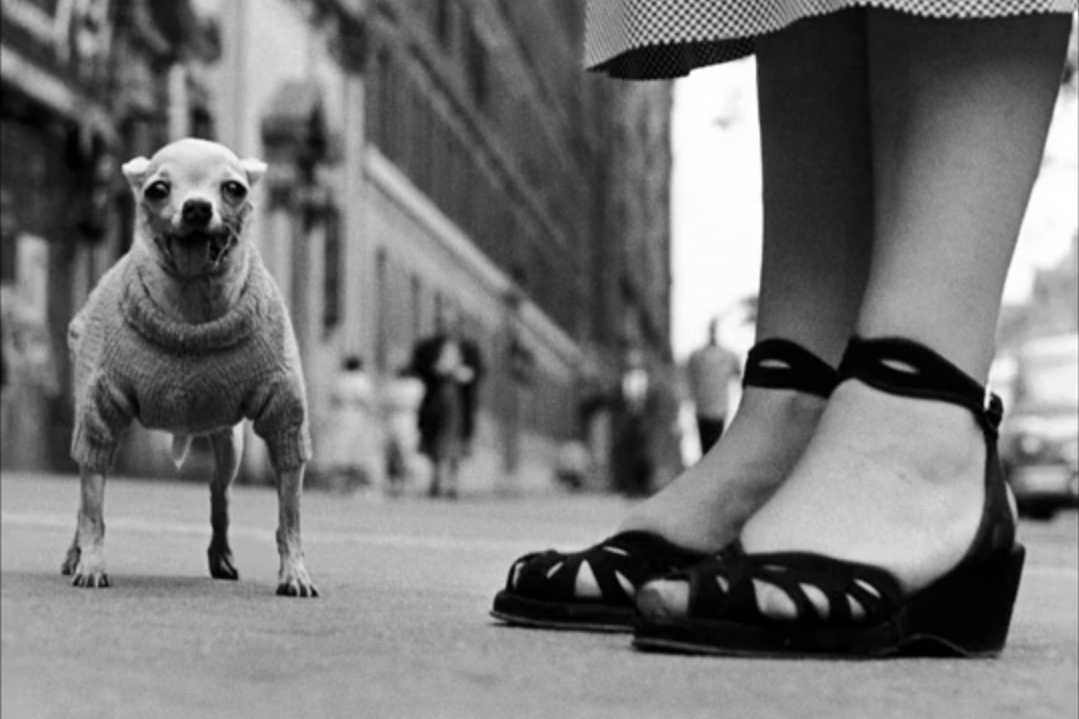
Erwitt USA NYC 1946

Elliott Erwitt, New York City, New York, 1946

Philip-Lorca diCorcia’s The Hamptons has made me start to think about other photographs of dogs and about how they often make me smile. Even the most cursory glance about the place reveals the internet to be all about kittens, but when it comes to actual photographs in actual galleries then I think dogs win out. So in part to get me out of the rut of writing about art I saw last year, here’s some art I saw even longer ago. Admittedly as steps forward go, this may not be a very impressive one but in mitigation, there are some really great art dogs out there and what better way to cheer up this rather rainy January than by looking at pictures one can’t help but find cheering? And what better way to start than with Elliott Erwitt?
Continue reading

Watching intently

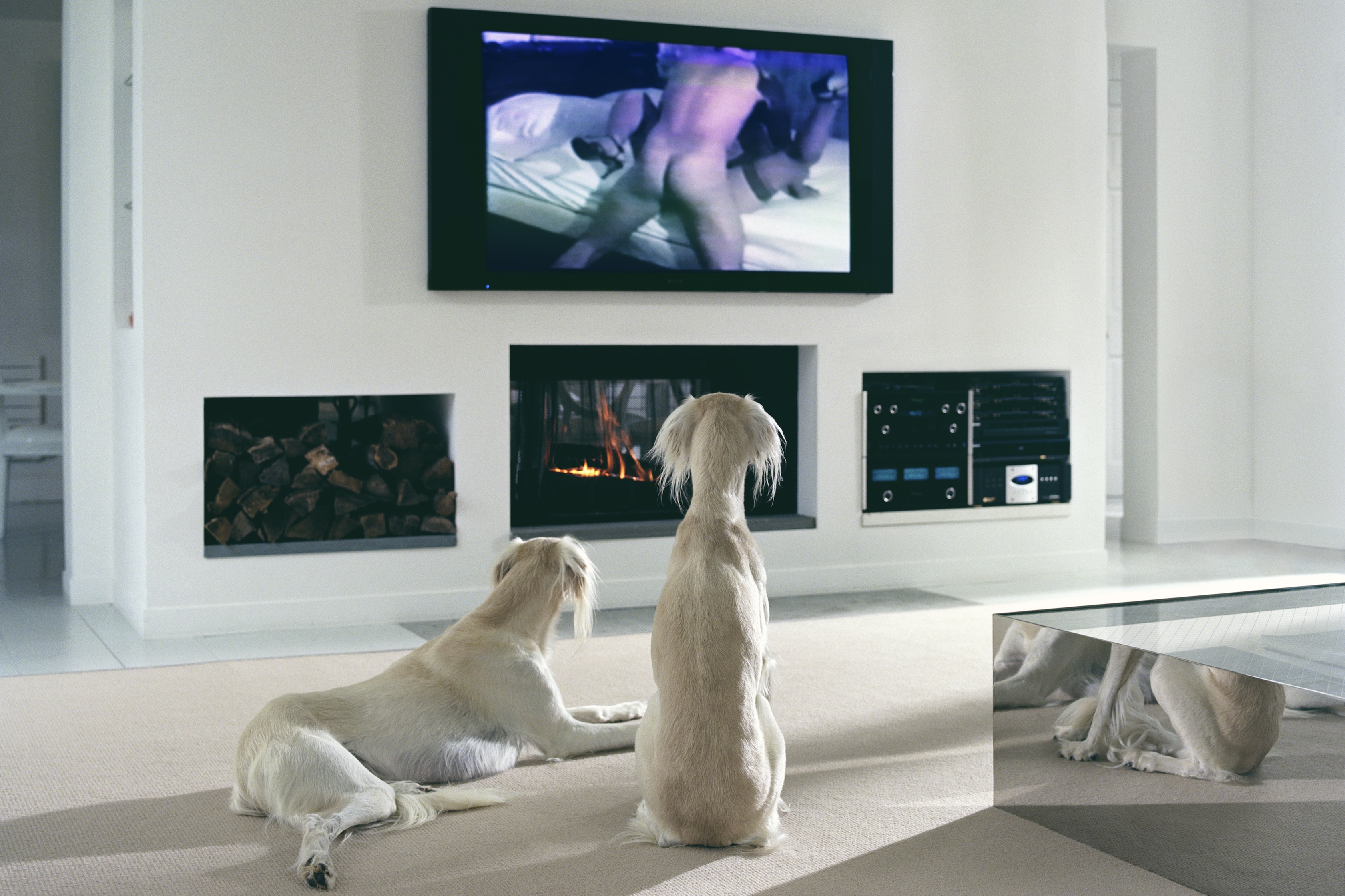
Philip-Lorca diCorcia, The Hamptons, 2008

Philip-Lorcia diCorcia, The Hamptons, 2008

Philip-Lorca diCorcia is one of those people whose work I may not always like – although I often – but will always make the time to go and see. If I’m honest though, the press release for East of Eden, which I saw at David Zwirner in Mayfair in the summer, didn’t really excite me. DiCorcia was quoted as saying that the series, started in 2008 as the sub-prime mortgage crisis caused the economy to fail, was “provoked by the collapse of everything, which seems to me a loss of innocence. People thought they could have anything. And then it just blew up in their faces. I’m using the Book of Genesis as a start.”

Continue reading

Filing systems

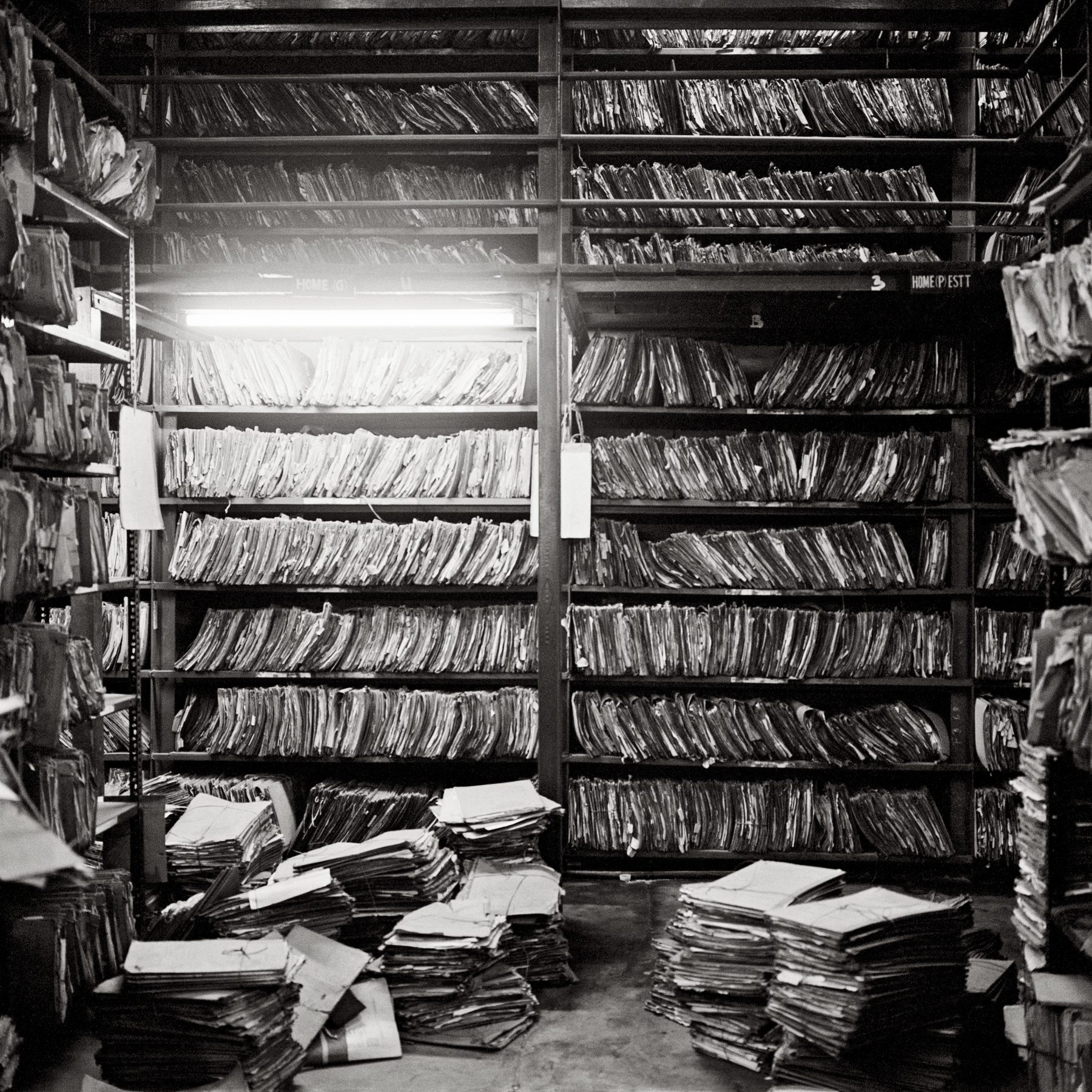
Singh File Room 1

Dayanita Singh, Untitled from File Room, 2011

Thinking about presentation is all well and good, but what about the pictures? Dayanita Singh’s work always fascinates and the museums work for me as much for what is hidden as for what is shown with tantalising hints of pictures stashed behind pictures. Of all the museums, the pictures I was most familiar with before the Hayward show were the File Room series which I also saw in the German Pavilion in Venice. The pictures, as far as I’m aware made almost by accident with Singh drawn to photographing the files in the places she visited without initially realising it, show the file rooms of various institutions in India – courts, state archives, local government offices and the like – documenting the extraordinary paper-based bureaucracy that supports a nation with a population in excess of a billion. Over time, of course, digitisation will eliminate the vast accumulation of paper. But in the meanwhile, in archive after archive and office after office, the paper piles up.

Continue reading

Ways of showing

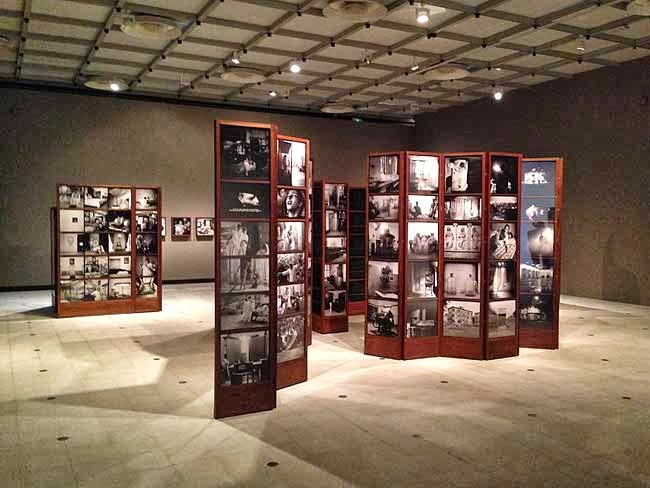
Dayanita Singh, File Museum, Hayward Gallery, 2013

Dayanita Singh, Museum Bhavan installed in Go Away Closer

As well as Sarah Lucas at the Whitechapel Gallery, my December exhibition catch-up included a visit to the Hayward Gallery* to see exhibitions by Ana Mendieta (of which more in a later post, I think) and Dayanita Singh. Clearly December was women’s art month in my schedule. As with Lucas at the Whitechapel, there was an overlap with things I’d seen in Venice in the Biennale.**

Dayanita Singh is best known for making books and the books are much in evidence in Go Away Closer, the Hayward Gallery show. As a way of getting art photography to a wide audience this is a strategy with much to recommend it – and it’s certainly one a lot of people are working with right now – but for me it’s no substitute for seeing a great print. And, in the case of Singh’s work, it’s another display strategy that interests me more: her portable museums, displayed here as a group as Museum Bhavan.

Continue reading

Bronzed beauties

Lucas Venice 2013 bronze1

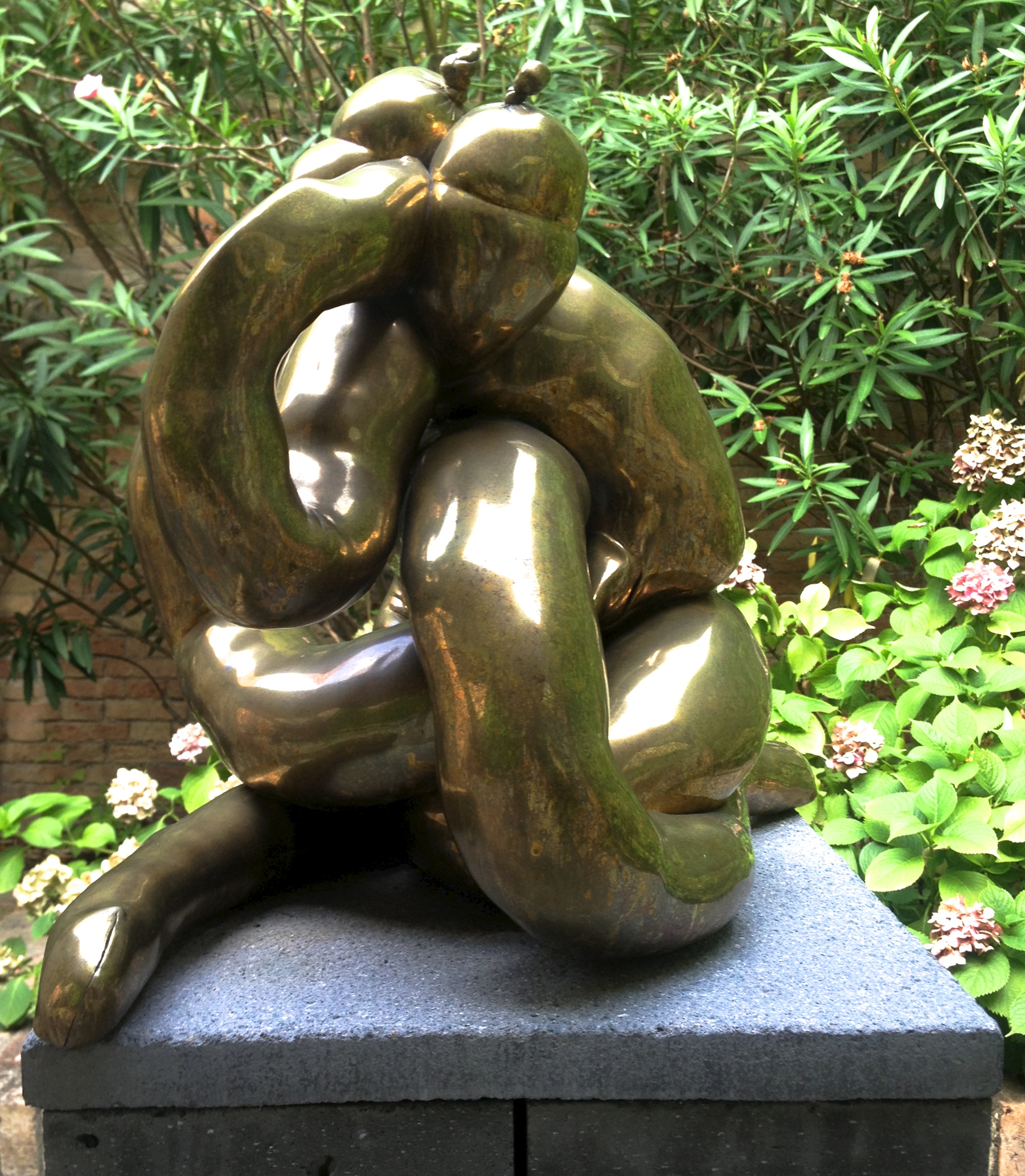
Sarah Lucas, in The Encyclopaedic Palace, Central Pavilion, 55th Venice Biennale, 2013

I’m a firm believer in the idea that art can come from anywhere and be made of anything. And that means that just as an artist can turn everyday materials into art, so they can also choose to materials that have been the stuff of high art for centuries. But, to state the obvious, there’s a bit of a difference between nylon tights stuffed with kapok and bronze. Sarah Lucas has been working with tights for nearly two decades now. Her Bunny sculptures of the late 1990s and the more recent Nuds – often oddly sexual abstract forms – can be both funny and a bit disturbing. Either way, I like them a lot.

Sarah Lucas, Bunny Gets Snookered #10, 1997

Bunny Gets Snookered #10, 1997

So what happens when Nuds meet bronze?

Continue reading

Way beyond the white cube

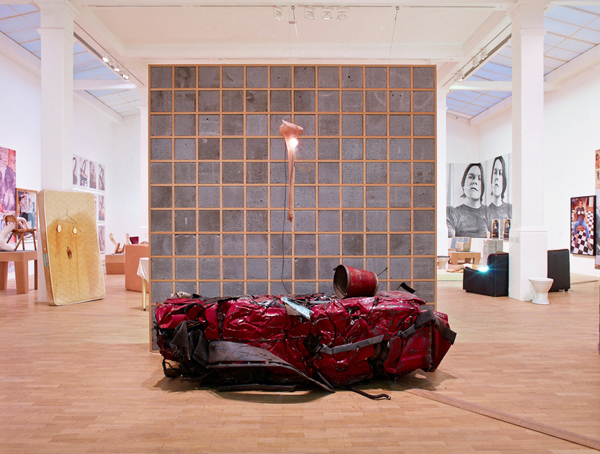
Sarah Lucas, Situation, Whitechapel Gallery, 2013

Sarah Lucas, SITUATION: Absolute Beach Man Rubble, Whitechapel Gallery, 2013

When it comes to exhibitions I’m usually all in favour of white space and plenty of it. I want to see the work and I want the installation of the work to be as unobtrusive as possible. If I’m spending time looking at the plinths or the frames or the way things are positioned then that’s less time spent looking at the art. Sometimes though the way the work is shown can become part of the show in a good way. Thinking back, there have been a few shows at the Whitechapel Gallery recently where that’s been the case (indeed, I wrote about two – the Gillian Wearing and Gerard Byrne exhibitions – a while ago for MostlyFilm) so I guess it should have come as no surprise that the Sarah Lucas show there late last year – which I caught just before it closed – was, let’s say, not the most minimal of installations.

Continue reading

Toilet humour

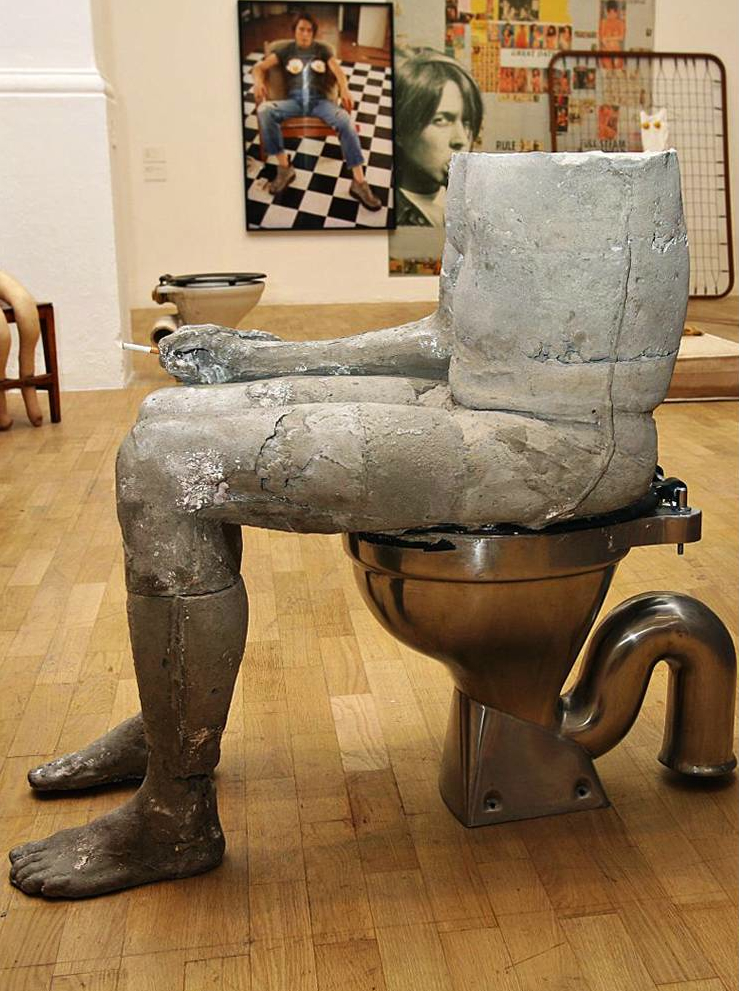
Sarah Lucas, Cnut, 2004

Sarah Lucas, Cnut, 2004

I guess the leap from thinking about a woman artist making a sculpture of a cock to Sarah Lucas’s work is a distinctly literal one, but as I saw Lucas’s exhibition at the Whitechapel shortly before it ended last month, her work’s been on my mind.

There is of course a long history of toilets in the gallery space but it’s a form few have used with such determined consistency as Sarah Lucas. And while Duchamp’s Fountain – like the works that reference it very directly, such as Sherrie Levine’s Fountain (Buddha) – seems somehow more about the form than the function of the artefact and Claes Oldenberg’s Soft Toilet can be enjoyed for the strange disjunction between the form and materials used in the work and the function of the object on which it is based, Lucas’s toilet works are often grubby and unpleasant to look at.

Continue reading

Blue humour

Katharina Fritsch, Hahn/Cock, 2013

Katharina Fritsch, Hahn/Cock, 2013

Not before time, thinking about Marc Quinn’s Alison Lapper Pregnant brings me back to London and to the oversized cock that is Katharina Fritsch’s work for the fourth plinth: Cock (or Hahn/Cock to give it its full German and English title). Of all the works yet to grace the plinth, and there have been some great ones, some less great ones and one that seemed to make it rain all summer*, I think Hahn/Cock is probably the one that has amused me the most. In the damp greyness of this less than satisfactory winter, it stands proud on the plinth ready to make people chuckle.

It’s big. It’s blue. It’s a cock. What’s not to smile at?

Continue reading

Pregnant pauses

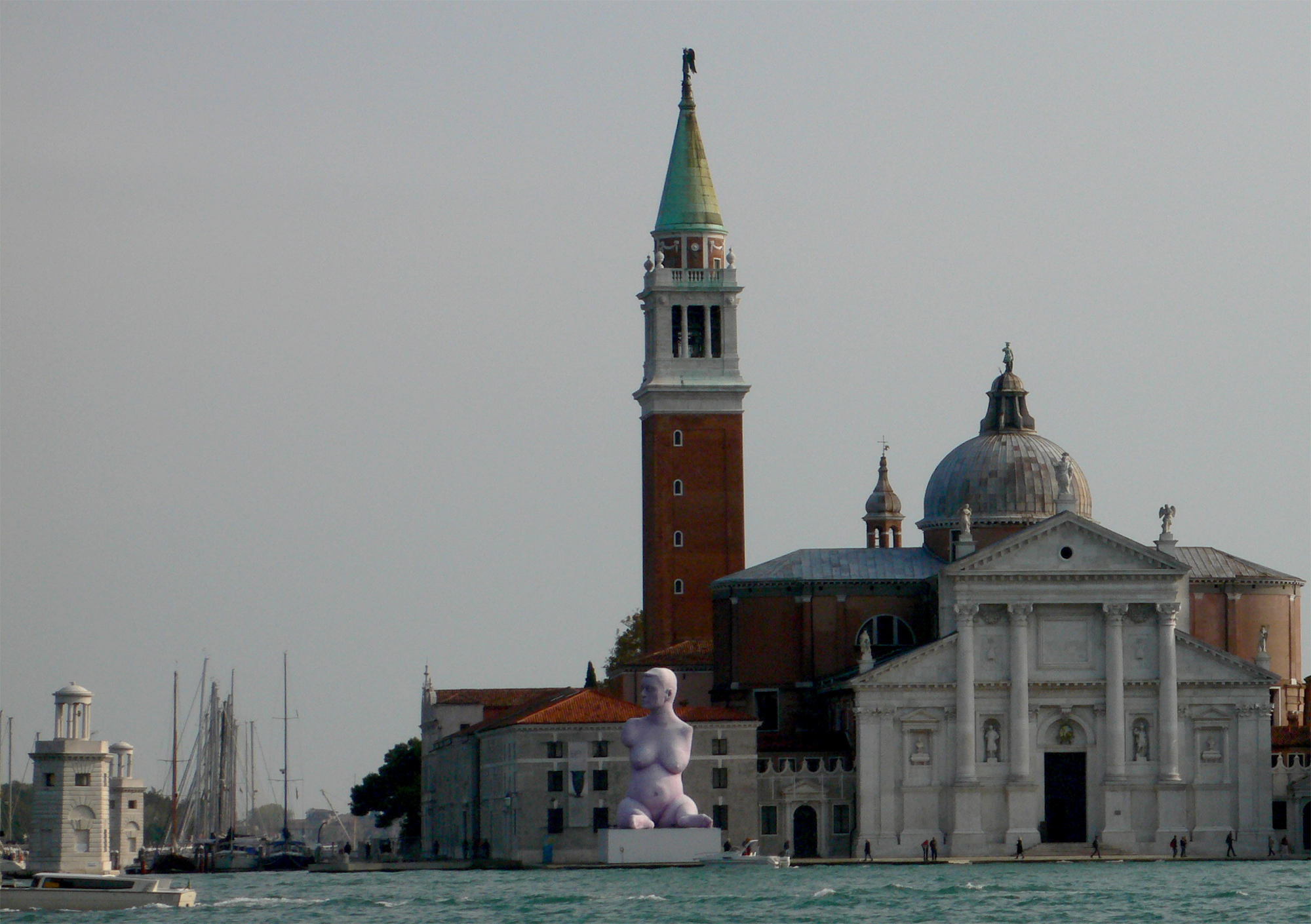
Marc Quinn, Breath, Venice, 2013

Marc Quin, Breath, 2012 (Isola de San Giorgio Maggiore, Venice)

My summer trip to Venice – being a holiday and all – included some things that simply weren’t part of the biennale at all. I’m no longer entirely sure why one of those things was visiting the Marc Quinn exhibition at Fondazione Giorgio Cini. I’ve liked some of Quinn’s work well enough in the past and I guess I was curious. Plus, the exhibition announced itself in that one of the works on show outside the Fondazione Giorgio Cini building was an 11m tall sculpture. Or, more accurately, an 11m tall inflatable version of an earlier Quinn sculpture. This time in a not at all fetching shade of pink.

Continue reading

Light work

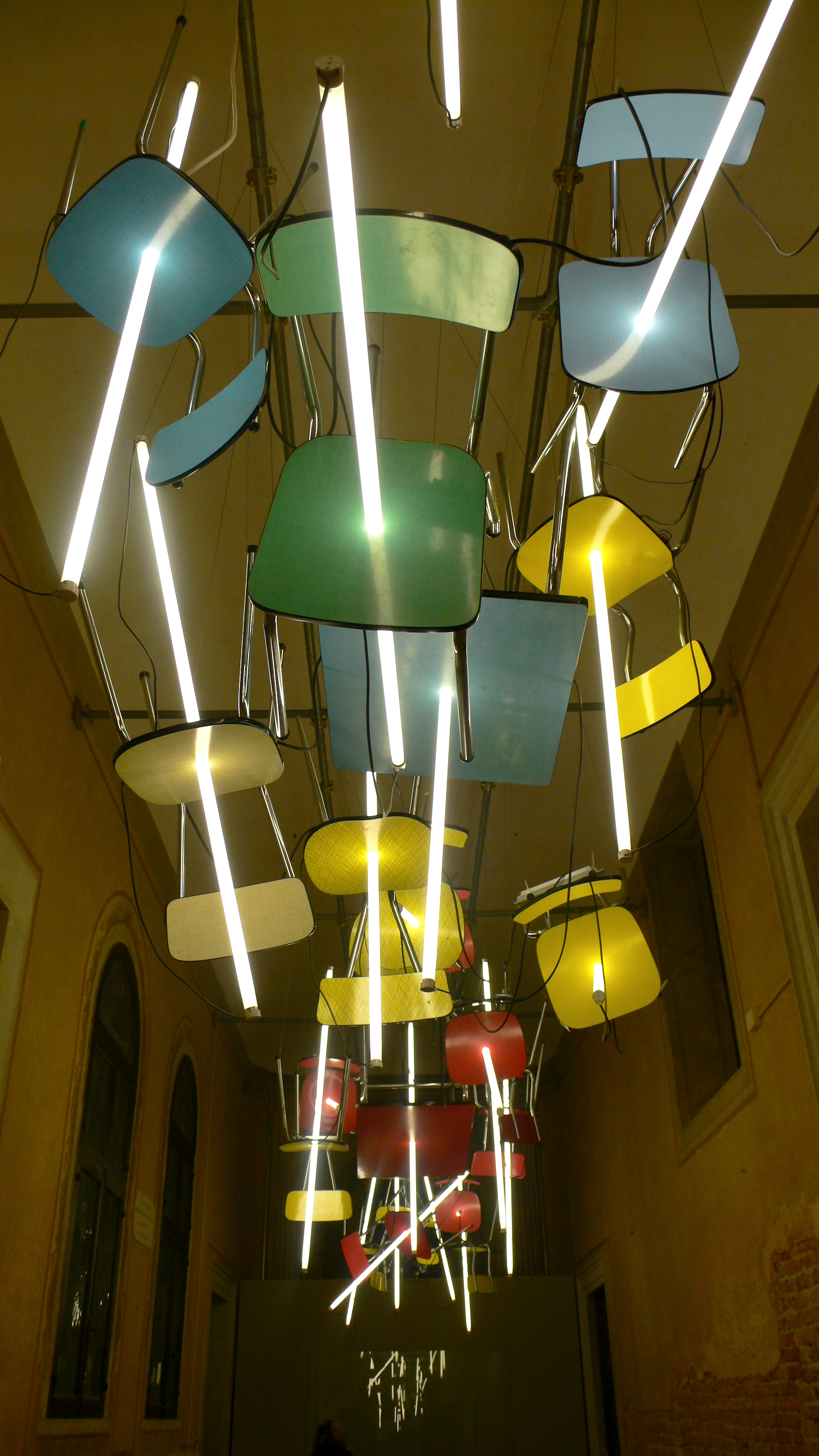
Bill Culbert, Bebop, 2013 (New zealand Pavilion, 55th Venice Biennale)

Bill Culbert, Bebop, 2013 (installation in the New Zealand Pavilion in the Istituto Santa Maria della Pietà at the 55th Venice Biennale)

Ai Weiwei wasn’t the only artist using seating as the building blocks for an art installation in Venice last year. The works in the entrance to the New Zealand Pavilion – held in the Instituto Santa Maria della Pietà – featured suspended chairs and fluorescent tube lights. Culbert, whose work I didn’t really know very well before chancing upon the New Zealand pavilion and wandering in (admittedly I was hardly off the beaten track here, the space was on the waterfront almost no distance from Piazza San Marco), has been working with light since the 1960s. In the work on show in Venice, Culbert used light and domestic objects to create an extraordinary series of installations and smaller sculptural pieces that occupied the space in a really interesting way.

Continue reading